By Edition8 News Staff
May 9, 2025
When white smoke rose above the Sistine Chapel on May 8, 2025, the world met Pope Leo XIV, who had been Cardinal Robert Francis Prevost of Chicago. This was a historic event. At 69 years old, the new pope, is the first American to hold the title.
Born in 1955 on Chicago’s South Side, Prevost's path to the Vatican was anything but conventional. He joined the Augustinian order early in life, eventually earning degrees in both civil and canon law. But it was his long missionary work in Peru that shaped his worldview.
Pope Leo XIV has lived in both North and South America where he did the majority of his missionary work. He lived in some of the poorest areas of Peru and learned Spanish, adjusted to the society, and even became a naturalized citizen there. People in the area remember him not for his lectures but for walking miles to visit rural parishes and fight for the rights of indigenous people.
Before Pope Francis made Prevost head of the Dicastery for Bishops in 2023, he had quietly built a reputation as a bridge-builder, someone who could be both honest about doctrine and caring about people in the church.
His election comes at a pivotal moment for the Catholic Church. With membership rising in the Global South but declining in the West, and with internal debates about inclusivity, tradition, and transparency, the Church faces a generational crossroads.
So far, Leo XIV seems determined to face it head-on.
In his first address, he spoke of “a Church that listens, not lectures.” He called for renewed efforts toward peace, care for creation, and solidarity with the poor — echoing the social priorities of Pope Francis, but in a tone uniquely his own. Fluent in five languages and known for his dry Midwestern humor, he’s already being dubbed “The People’s Pastor” by some in the press.
But Leo XIV isn’t just a warm pastoral figure. Insiders describe him as methodical and shrewd, particularly in how he handled bishop appointments — where he earned quiet respect for pushing capable, pastoral leaders into key dioceses, while avoiding ideological extremes.
He also represents a more nuanced Catholic center. He’s sympathetic to marginalized communities, yet clear on core Church teachings. Traditionalists were reassured when he praised the Latin Mass in his first week; progressives took note of his history defending the dignity of LGBTQ Catholics in pastoral care.
His unique blend of humility, global experience, and steady leadership suggests the Catholic Church may be entering a thoughtful, bridge-building era.
As one Vatican observer put it, “He’s not here to tear down walls or build new ones. He’s here to make doors.”
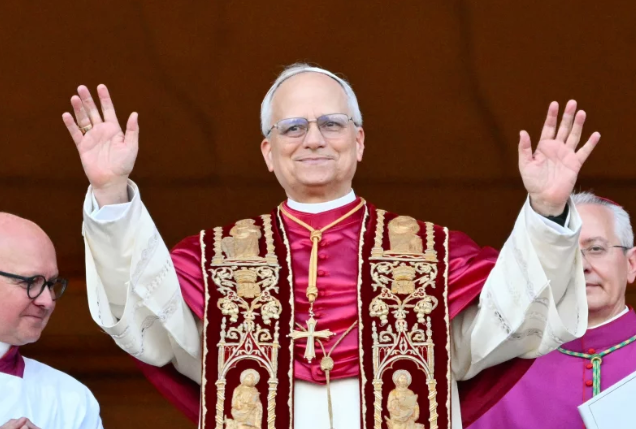
Pope Leo XIV is the new pope