By Edition8 News Staff
May 29, 2025
ife in a federal prison in the United States can be starkly different from the depictions seen in pop culture. While not all federal facilities are the same—ranging from minimum-security camps to high-security penitentiaries—the reality of incarceration involves strict routines, limited freedoms, and psychological challenges.
A defining feature of federal prison life is its rigid structure. Inmates follow a strict daily schedule, starting with early morning wake-ups, usually around 6 a.m. The day is structured around meals, work assignments, educational programs, and recreation. Meals are served in a communal dining hall, and food quality varies. Some inmates supplement their diet by purchasing items from the prison commissary.
Work is mandatory for most inmates, with jobs ranging from kitchen duty and laundry to groundskeeping and clerical work. Pay is minimal, often between $0.12 and $1.15 per hour. Still, these jobs are crucial, as the earnings allow inmates to purchase hygiene products, snacks, and other necessities.
Housing arrangements depend on the prison's security level. In minimum-security prisons or camps, inmates may live in dormitory-style units with fewer restrictions. In higher-security facilities, two inmates typically share a cell equipped with bunk beds, a toilet, and a small sink.
While minimum-security prisons may offer more relaxed environments, even these are far from comfortable. Overcrowding, lack of privacy, and limited access to medical care are common complaints. Inmates may spend most of their day confined to small spaces, which can take a toll on mental health.
Navigating the social hierarchy in prison can be challenging. Inmates often form groups based on race, religion, or shared interests for protection and support. While violence in federal prisons is less common than in state facilities, it still exists—particularly in medium- or high-security institutions. Avoiding conflict requires social awareness, restraint, and respect for unspoken rules.
Contraband, including cell phones, drugs, and unauthorized food, can circulate within prisons, often brought in by visitors or corrupt staff. Possession of such items can result in disciplinary actions or extended sentences.
Federal prisons offer educational programs, vocational training, and substance abuse counseling aimed at rehabilitation. Inmates may pursue GEDs, college-level courses, or learn trades like carpentry or HVAC repair. Participation can improve parole eligibility or reduce sentences through good behavior credits.
The First Step Act, passed in 2018, incentivized inmates to complete rehabilitation programs with the promise of early release or halfway house placement. However, access to these programs varies greatly depending on the facility.
Perhaps the most significant challenge is the emotional and psychological burden of incarceration. Inmates often struggle with isolation, depression, and anxiety, particularly those serving long or life sentences. Contact with family is limited to monitored phone calls, letters, and occasional visits. Reentry into society is another hurdle, as many face stigma, employment barriers, and strained personal relationships upon release.
In sum, life in federal prison is a highly controlled and often dehumanizing experience. While some inmates find opportunities for growth and rehabilitation, the environment is fundamentally one of punishment and loss of autonomy.
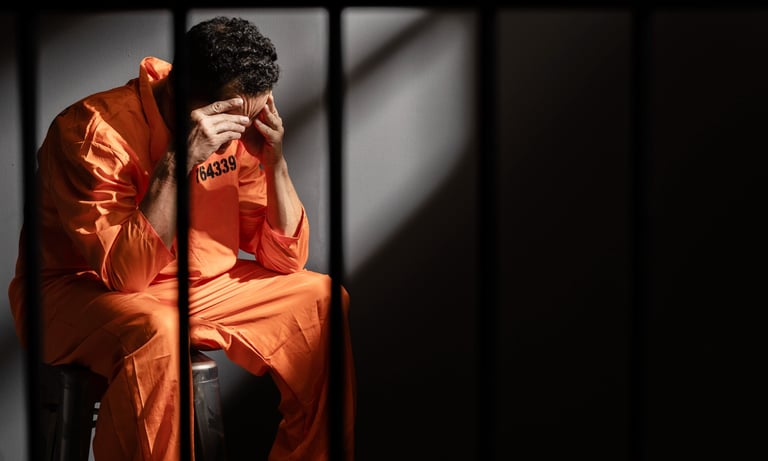
Life behind bars in 2025